Free delivery from 118,68 €

Blog

How to select a new Danfoss AMB 162/182 actuator?

How to select a new Danfoss AMB 162/182 actuator?

Danfoss actuators AMB 162/182 series are popular actuators for mixing and diverting valves in heating systems. Now Danfoss has already introduced a new, third generation of these actuators, replacing older models with newer designs. Older versions (the so-called second generation) of AMB 162/182 actuators are no longer produced - many of their catalog numbers have been withdrawn from the offer and replaced with new equivalents. In this article, we explain how to select a new Danfoss AMB 162 or AMB 182 actuator as a replacement for an older model that is unavailable. We provide a step-by-step overview of what to look for when selecting, and a breakdown of the old vs. new part numbers. In addition, we indicate the compatibility of the new actuators with valves (both Danfoss and other manufacturers) and give examples of the most popular models available on the market.
Read more
New product family: fresh water stations Reflex Hydroflow

New product family: fresh water stations Reflex Hydroflow

A fresh water station is a device for the preparation of domestic hot water (c.w.u.) in a flow-through manner - that is, heating water on demand without storing it in a large tank. In practice, this means that the water is heated when the tap is turned on, passing through a heat exchanger supplied with water from the heating system. This design ensures that you get fresh water every time, without prolonged storage at temperatures that promote microbial growth. As a result, the standard of hygiene c is significantly raised.w.u. - flow-through water preparation effectively protects against the proliferation of bacteria such as Legionella. It is therefore a hygienic alternative to the traditional boiler or hot water cylinder.
Read more
Hydraulic coupling (separator) - how does it work and when is it worth using?

Hydraulic coupling (separator) - how does it work and when is it worth using?

Hydraulic coupling (otherwise known as heating circuit separator) is an element of central heating system, which is used to separate boiler circuit from heating circuits on the side of heat consumers. It allows the individual circuits to operate independently - the pumps in these circuits do not interfere with each other, and the pressure and flow in each circuit are stable. Hydraulic coupling looks like a vertical cylindrical tank with several connection spigots. Although it is a rather simple device, it can solve many problems in medium and high power installations, especially those with multiple heating circuits and several heat sources. In this article, we explain how a hydraulic clutch works, its design and functions, when it is worth using it, and what mistakes to avoid when selecting it. At the end, we also present a diagram of an example installation with a clutch and a summary with practical tips.
Read more
How to choose the right diaphragm vessel for your heating system? - step-by-step guide to selecting an expansion tank

How to choose the right diaphragm vessel for your heating system? - step-by-step guide to selecting an expansion tank

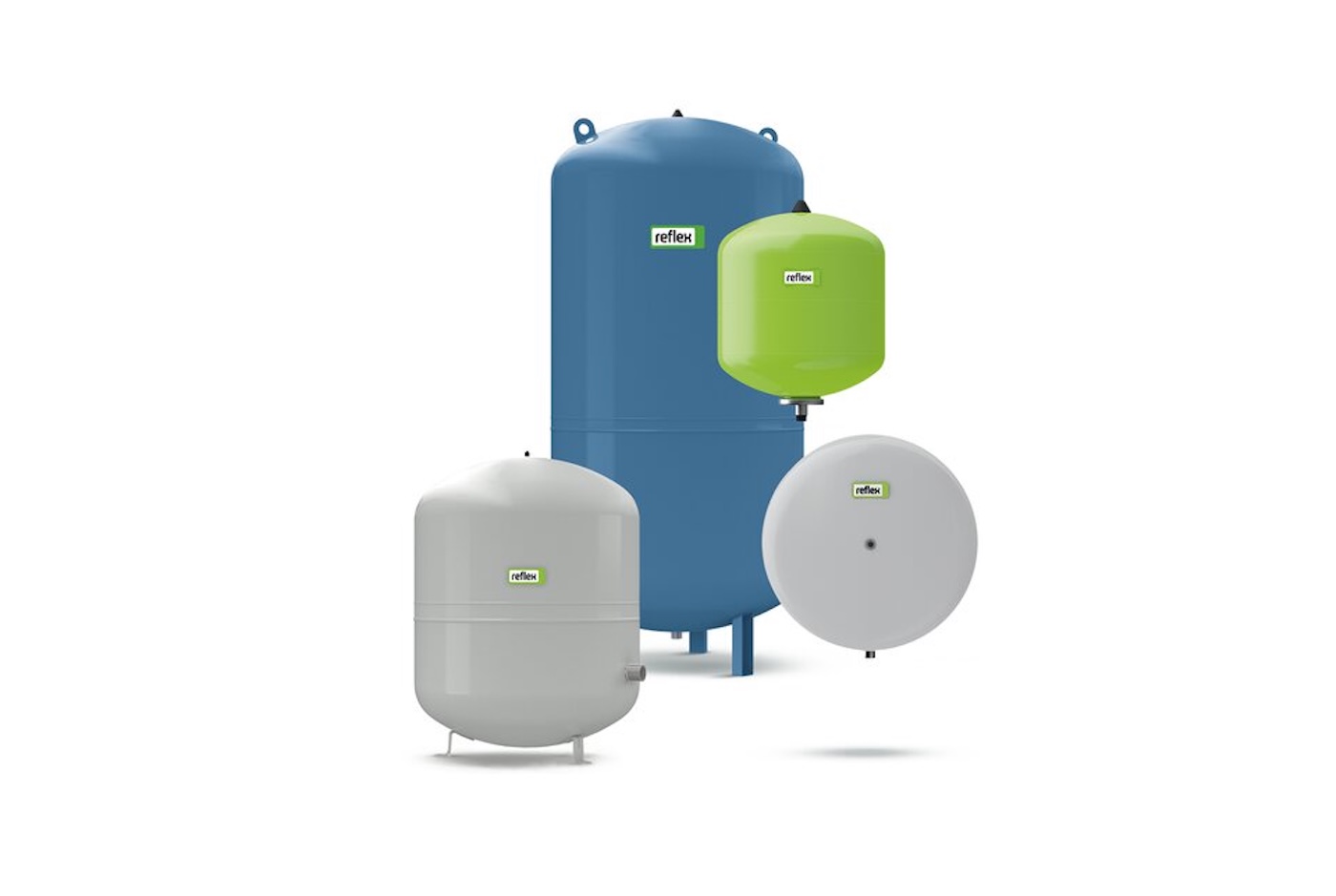
The diaphragm vessel (a.k.a. diaphragm expansion tank) is a key element in protecting heating, cooling and hot water systems from excessive pressure rise. Its construction is a steel tank divided inside by a flexible diaphragm (diaphragm) into two chambers: water and gas (usually filled with compressed air or nitrogen). This design allows it to take on the increased volume of water that occurs due to thermal expansion - when the water in the system heats up, its volume increases and the membrane flexes, allowing some water into the tank and keeping the pressure within safe limits . As a result, the system works properly, and the safety valve does not drop water every time it gets hotter.
Read more
How to choose a circulation pump for central heating - what to pay attention to?

How to choose a circulation pump for central heating - what to pay attention to?

The selection of a central heating circulation pump can be crucial to the proper operation of the entire heating system. A poorly chosen pump can result in underheated rooms, excessive noise or high electricity bills. In this article, we will present how to select a circulating pump in two parts: first an accessible introduction for less advanced users, and then detailed technical aspects for those who want to delve deeper into the topic.
Read more
Reflex Greenbox - changing the approach to improving the quality of the refrigerant in installations

Reflex Greenbox - changing the approach to improving the quality of the refrigerant in installations

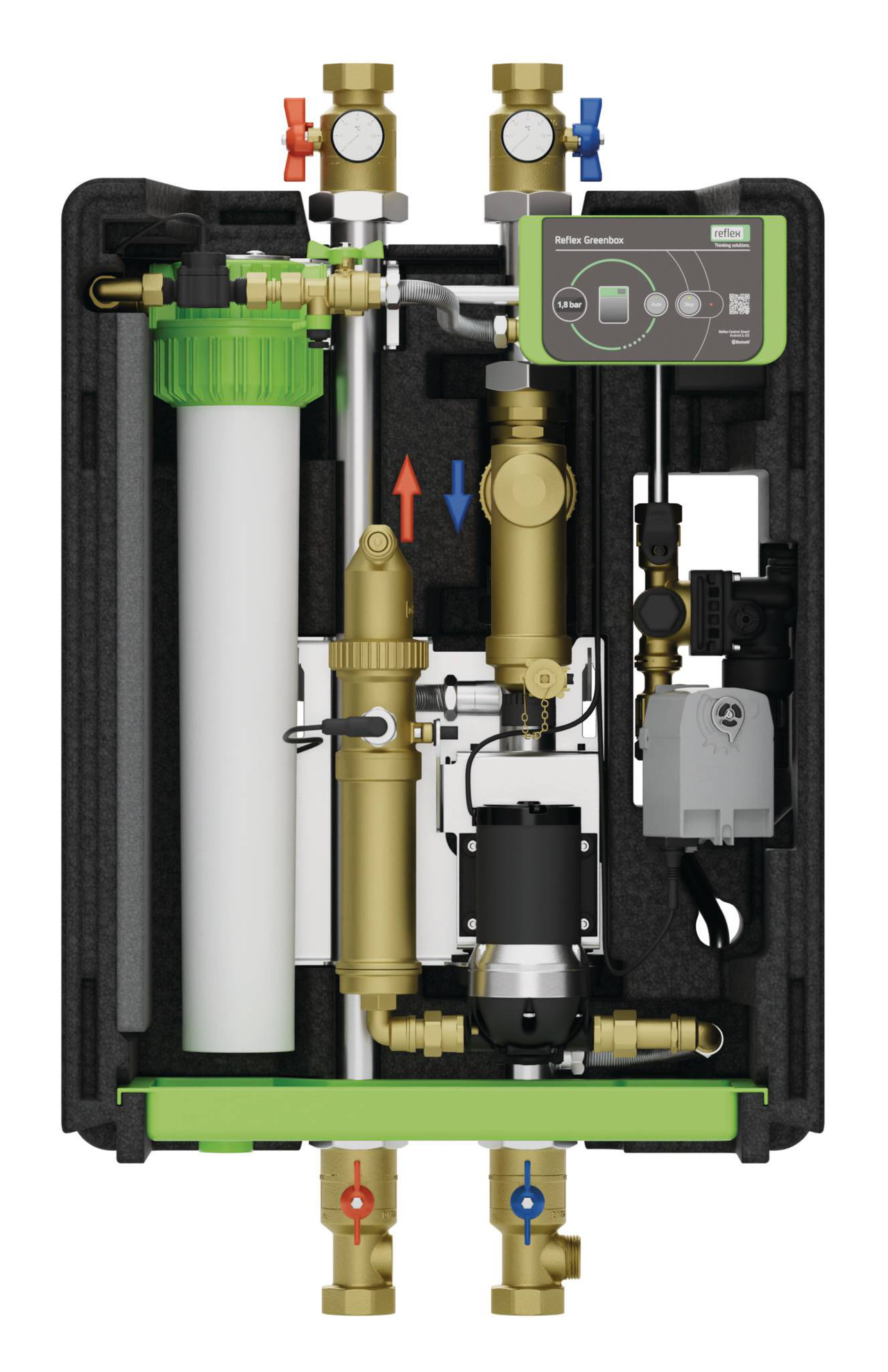
Every heating and cooling system requires the right quality of working medium to operate efficiently and without failure. Air, contaminants and improper water quality can lead to a number of problems - from reduced system efficiency to accelerated component wear and tear. Reflex Greenbox is one of the most advanced solutions that allows automatic control and optimization of the quality of the refrigerant, ensuring stable and efficient operation of the plant.
Read more
How does the filter-demulsifier work? Differences between a mesh filter and a filter-demulsifier

How does the filter-demulsifier work? Differences between a mesh filter and a filter-demulsifier

In modern heating and cooling systems, the quality of the working medium, i.e. the water circulating in the system, plays a key role. Solid contaminants, sediment and ferromagnetic particles can significantly reduce the performance of the entire system, leading to costly failures. That's why there is an increasing use of filter-demulsifiers - devices that effectively eliminate the problem of contamination in hydraulic systems. How they work and how they differ from classic mesh filters? We invite you to read.
Read more
pixel