


How does pressure stabilization in district heating nodes look like?
Pressure stabilization in the district heating hub - how it prevents failures in the heating system, protects the exchangers and provides comfort to users.
Read more




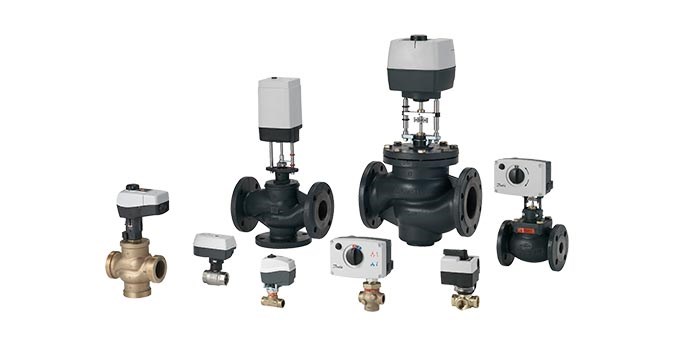
Electric actuators for control valves are a key component of automation in heating and cooling systems. They are responsible for adjusting the valve (e.g., opening or closing the flow of the medium) according to the signal from the regulator. This allows precise temperature and flow control without manual adjustment. Below we explain what such an actuator is, how it works in conjunction with different types of valves (globe and rotary), and what to look for when selecting an actuator for your heating system. We also suggest which models are worth considering - with a special focus on Danfoss offerings - and what mistakes are most often made when selecting these devices.


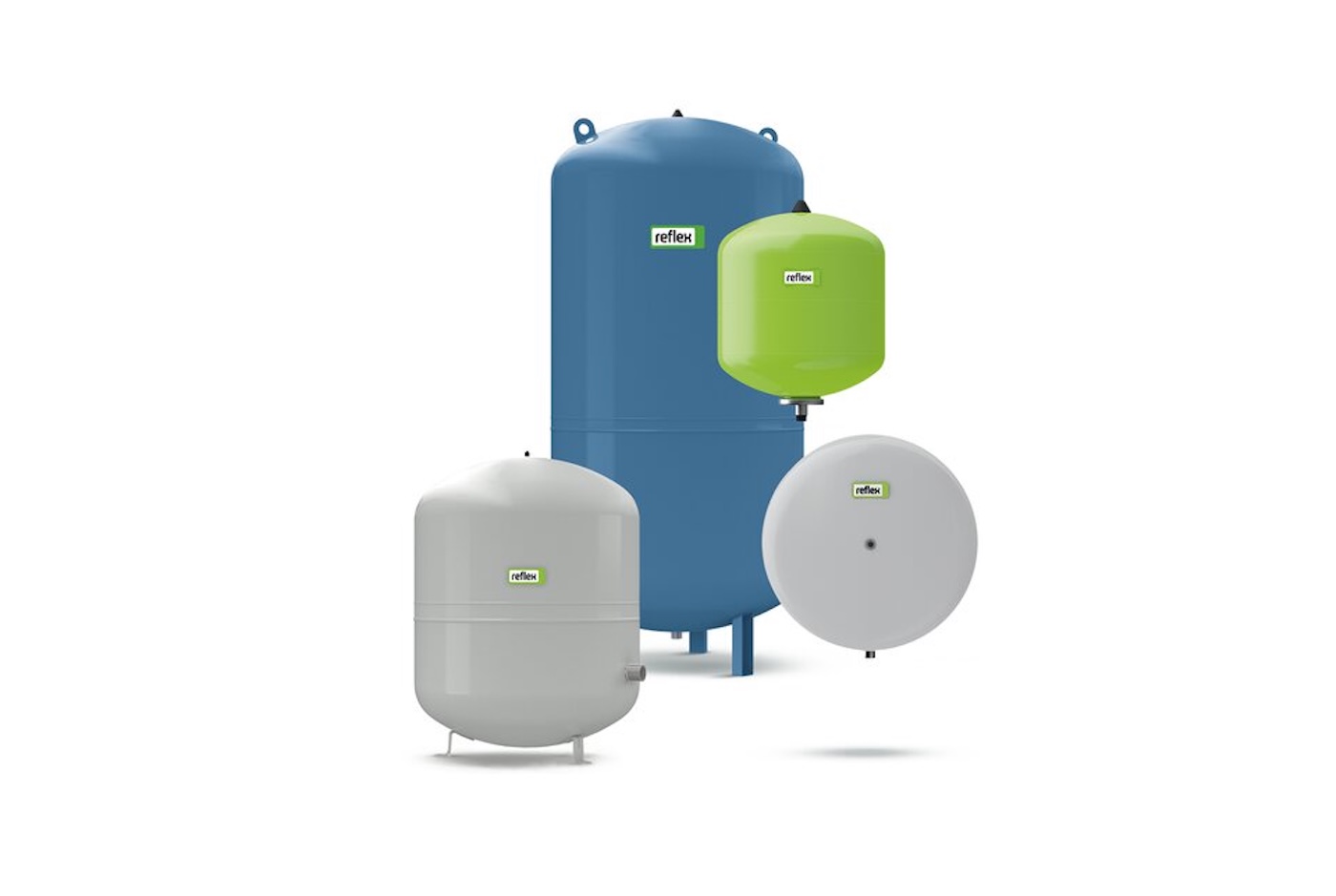

Scale is the bane of many users of heating systems - both owners of single-family homes and administrators of large buildings or boiler rooms. This seemingly harmless mineral deposit can lead to serious operational problems. In the following article, we explain what exactly boiler scale is, why its presence in the heating system is harmful, the main causes of its formation, and how to effectively prevent deposits through proper water treatment.

Anti-contamination valve is a special type of check valve, the main task of which is to protect drinking water from secondary contamination. It acts like a one-way guard on the pipe - it allows water to flow only in the direction to the building, but in the event of an attempted reverse flow (backflow), it automatically blocks its path. This will ensure that contaminated water from the indoor system does not back up into the water mains or into other parts of the home system.

Electric actuators for control valves are a key component of automation in heating and cooling systems. They are responsible for adjusting the valve (e.g., opening or closing the flow of the medium) according to the signal from the regulator. This allows precise temperature and flow control without manual adjustment. Below we explain what such an actuator is, how it works in conjunction with different types of valves (globe and rotary), and what to look for when selecting an actuator for your heating system. We also suggest which models are worth considering - with a special focus on Danfoss offerings - and what mistakes are most often made when selecting these devices.
